

Common Gases Used in Additive Manufacturing (AM) Technology
|
AR
Argon 5.0
(3DPro®) |
HE
Helium 5.0
(3DPro®) |
N
Nitrogen 5.0
(3DPro®) |
S
Sanarc® H 3
(3DPro®) |

The 3D printing process has made significant strides in recent years, driven by advancements in fibre resources and laser beam precision. However, this progress has been accompanied by a complex and ongoing challenge: ensuring repeatability. Despite these improvements, the industry still faces a lack of standardised protocols and best practices, which necessitates continued research and development to achieve consistent and reliable results.
|
AR
Argon 5.0
(3DPro®) |
HE
Helium 5.0
(3DPro®) |
N
Nitrogen 5.0
(3DPro®) |
S
Sanarc® H 3
(3DPro®) |
3D printing with metals like carbon steel, stainless steel, aluminium, and titanium is an intricate process. These materials have unique characteristics and varying degrees of reactivity to air, requiring protection throughout the printing process to ensure product integrity.
Impurities in the protective atmosphere can lead to defects in the finished part, resulting in losses and emphasising the critical role of gas in additive manufacturing. The choice of gas depends on its compatibility with both the process and material.
Our expert team guides you in selecting the most suitable gas for your specific application, understanding the delicate balance required for successful 3D printing with metals.
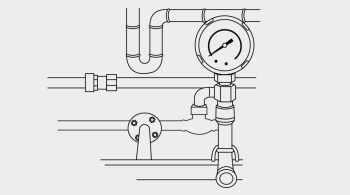
When supplying gas to the 3D printing process, it is essential to know the fluid dynamics. It’s fundamental to guarantee that high-purity gas reaches the 3D printer unchanged.
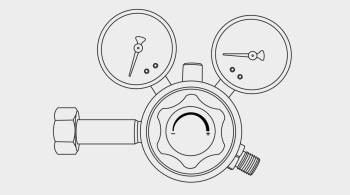
It is vital to maintain the purity of gases in the containers until they are used. Nippon Gases’ passion and experience boosted the development of specific equipment for gas management.
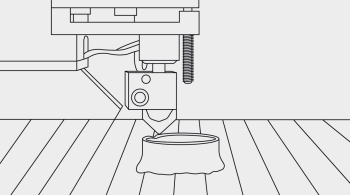
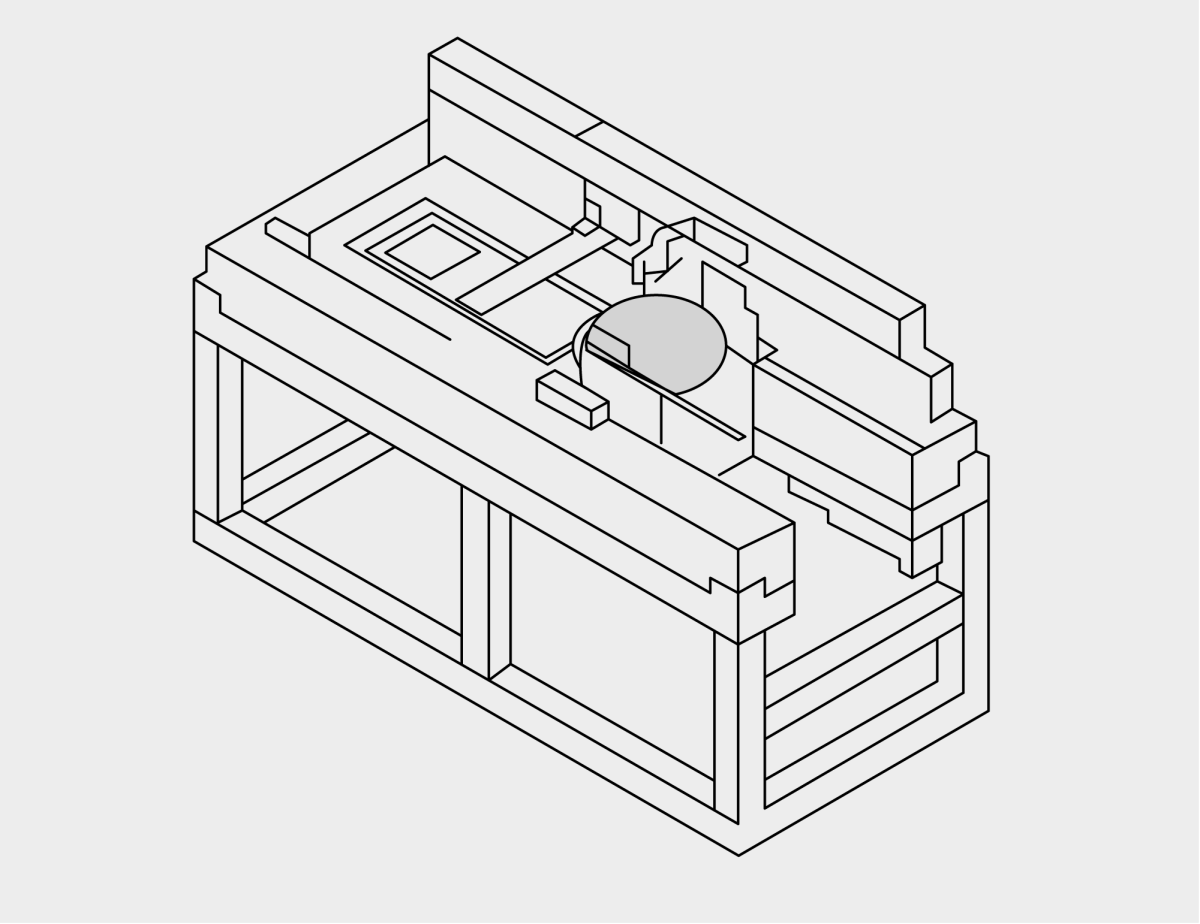
The specific additive manufacturing method being employed, such as arc welding, laser sintering, or powder bed fusion, plays a significant role in determining the appropriate gas and its intended use.
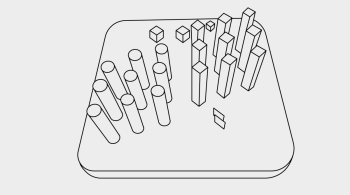
Consider whether the process occurs in a closed or open chamber, and whether the chamber is airtight. Additionally, understanding the fluid dynamics within the chamber is essential for optimal gas performance.
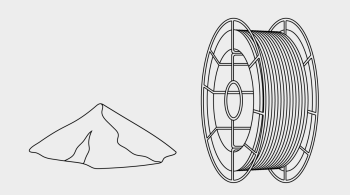
The form of the metallic material being used, whether in powder or wire, affects gas reactivity and hygroscopic properties. Different shapes can influence how the material interacts with the gas during the process.
In the case of Fused Deposition Modeling (FDM), gases are typically utilised only during the sintering and heat treatment phase, emphasising the importance of timing in gas application.
We take pride in being at the forefront of 3D metal printing technology, offering comprehensive support for all your additive manufacturing needs.
Our expert team collaborates closely with leading 3D printer manufacturers to ensure our knowledge and capabilities remain cutting-edge.
Our active involvement in developing new processes and materials distinguishes from the competition. we work alongside out partners to explore innovative applications and push the boundaries of what's possible in additive manufacturing.
At Nippon Gases we are called "The Gas Professionals" for a reason, give us a call as we are always here to help with solutions.

31.03.2026
Nippon Gases, the European subsidiary of Nippon Sanso Holdings Corporation (referred to as “The Group”), will officially change its name…

18.03.2026
Nippon Gases, the European company of Nippon Sanso Holdings Corporation, has been awarded the EcoVadis Platinum Medal for the third…

24.09.2025
Nippon Gases, the European subsidiary of Nippon Sanso Holdings Corporation, announces that, starting April 1st 2026, the company will operate…