


- Madrid
- Pressemeddelelse
Nippon Gases opnår platin EcoVadis-medalje
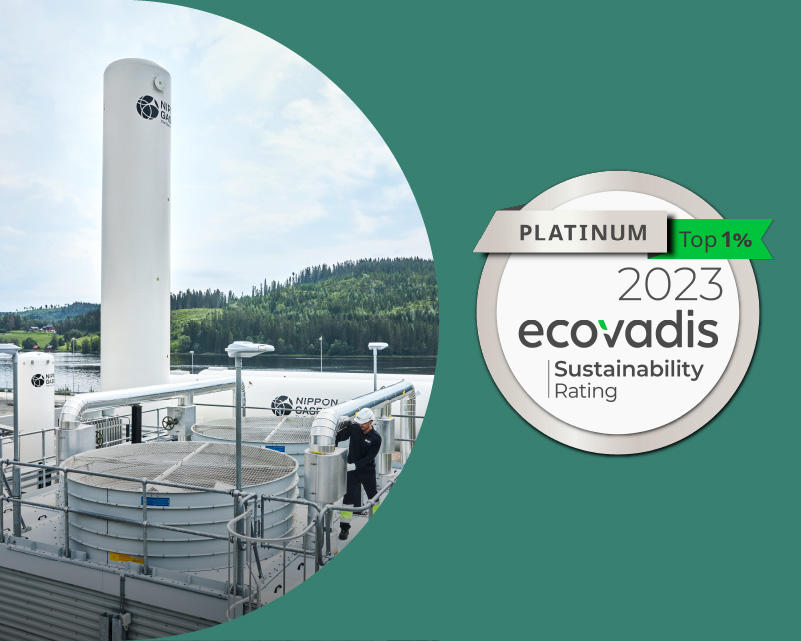
Nippon Gases, the European subsidiary of Nippon Sanso Holdings Corporation, has been awarded the Platinum Medal in the EcoVadis Sustainability Rankings. This recognition underlines Nippon Gases’ unwavering commitment to corporate social responsibility and sustainability. After two consecutive years of Gold Medals, the company has now achieved the highest recognition.
EcoVadis, a recognized authority on corporate sustainability, evaluates companies across four key areas: Environment, Ethics, Human and Labor Rights, and Sustainable Procurement. During this fiscal year, Nippon Gases demonstrated significant improvements in key areas, particularly in Labor and Human Rights and Sustainable Procurement, while maintaining the highest score for Environment and Climate Change. This progress has placed Nippon Gases in the top 1% of companies in its industry category.
This outstanding achievement is a reflection of Nippon Gases’ commitment to creating positive change in areas such as climate action, diversity and inclusion, employee well-being (with an emphasis on safety as a top priority), and ethics and human rights.
Joaquin González-Blas, Energy & Sustainability Director Europe, said: “This medal represents our daily dedication and unwavering commitment to sustainability, which is a top priority for us. Achieving the highest rating in the Sustainability Ranking only fuels our motivation to achieve the common goal of a more sustainable future.”
Nippon Gases’ achievement of platinum status demonstrates the company’s commitment to continuous improvement and to playing a key role in shaping a sustainable future for all.
About EcoVadis
EcoVadis is a leading provider of sustainability assessments and intelligence, creating a global network of more than 75,000 assessed companies and helping companies improve their CSR performance. EcoVadis’ methodology certifies companies’ commitment to sustainable development through analysis of four main areas: Environment, Ethics, Human and Labor Rights and Sustainable Procurement. This assessment is also based on international standards for sustainable development, such as the UN Global Compact, ISO 26000 or the Global Reporting Initiative (GRI).